James Joyce does things with punctuation that should not work. Long stretches of prose with no periods. Sentences that start without capitals. Dialogue that runs into narration without quotation marks. A copyeditor would have a heart attack.
The writing works. The punctuation choices make it work.
The Breathlessness of No Periods
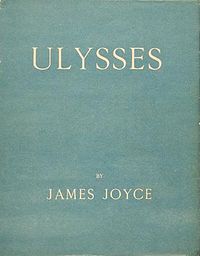
Near the end of Ulysses, in the “Penelope” chapter, Joyce writes eight sentences. The final sentence runs for over four thousand words without a single period.
Molly Bloom’s interior monologue flows the way a real mind flows. One thought crashes into the next. Memories interrupt observations. Desires surface without warning. A period would create a stop. A stop would break the spell. Joyce understood that the lack of punctuation creates breathlessness. The reader speeds up. The boundaries between thoughts dissolve. You are inside Molly’s head, not observing it from a safe distance.
In copyediting, the instinct is to add punctuation. A comma here. A period there. A semicolon because it feels correct. But punctuation changes the rhythm. A period says stop. A comma says pause but keep going. The question is not whether the punctuation is correct but whether it serves the reader.
The Intimacy of No Capitals
Joyce also drops capitals where they do not belong. A sentence might drift by without a capital letter. A proper name might appear in lowercase. The writing feels less formal. Less officious. More like a letter from a friend.
Most copy is over-capitalized. “Our Innovative Solution delivers Real Results for Dedicated Professionals.” The capitals end up only adding noise. A lowercase sentence can feel more honest. More human. Joyce taught me that capitals are a tool, not a requirement. Sometimes you use them. Sometimes you do not. The decision should be intentional.
Breaking Rules on Purpose
Copyediting means serving the reader. The rulebook is a guide, not a prison. Sometimes a sentence needs a comma. Sometimes it needs a period where a comma would be correct. Sometimes it needs no punctuation at all.
The best editors know the rules well enough to break them on purpose. A missing comma is a mistake. A missing comma that makes the reader pause in exactly the right place is a choice. Joyce pushed punctuation to its limits. Most copy will never go that far. But the principle remains: use every mark with intention. Break the rules when the rules get in the way of the reader.
I am currently looking for a copyediting or copywriting role where I can bring this kind of intentional punctuation to brands that care about how their words feel. If you want copy that breathes correctly and pauses in the right places, view my portfolio or reach out. I would love to talk about what your writing sounds like when every punctuation mark earns its place.
 Tyson Peveto